Projects
Research projects
Three externally-funded, interdisciplinary and collaborative research programmes on Muslim minorities in Europe and transnational Shia networks.
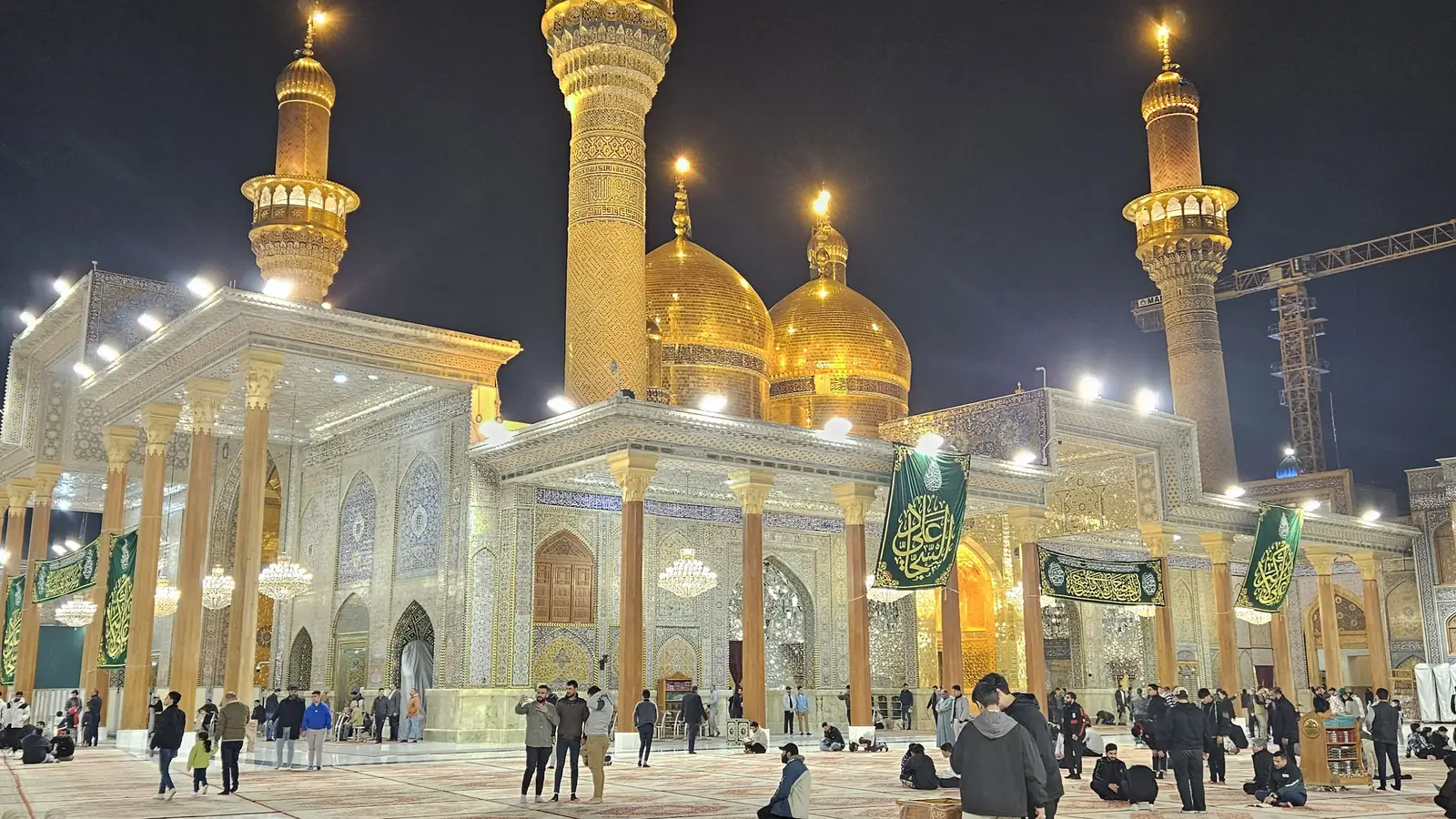
Flagship research projects
2018–2023 · €1.95M
Transnational Shia Networks
Creating an Alternative umma: Clerical Authority and Religio-political Mobilisation in Transnational Shii Islam (ALTERUMMA)
Funder
European Research Council — Consolidator Grant (No. 724557)
Partners
- University of Birmingham
- Lund University
AlterUmma was a five-year interdisciplinary project investigating the transformation of Shia Islam in the Middle East and Europe since the 1950s. It used research in key archives, intellectual and oral history, ethnographic research and cultural studies approaches to examine the formation of modern Shia communal identities and the role Shia clerical authorities and their transnational networks have played in religio-political mobilisation. The project focused on Iran, Iraq and significant but unexplored diasporic links to Syria, Kuwait, Lebanon, Turkey and Britain. The project produced foundational scholarship on transnational clerical authority, clergy - state relations and ritual practices of Shia Muslims in Europe and the Middle East - and generated comparative work on Shia Islam beyond its Middle Eastern centres.
Watch & listen
- VideoLund University
Oliver Scharbrodt describes the Arbaeen pilgrimage, the largest Muslim gathering
Short explainer on the Arbaeen pilgrimage and its scale, relevance, and ritual significance.
- PodcastConcepts from the Global South2025
How to Understand Velāyat-e Faqih
Tracing the intellectual history of velāyat-e faqih from classical Shi'i jurisprudence to the cornerstone of Iran's 1979 revolution.
55 minOpen on Spotify - VideoAlterUmma Project
Diversifying Research on the Arab World: Multi-local Perspectives on Twelver Shi'ism in Iraq
Discussion of multi-local research perspectives on Twelver Shi'ism in Iraq and transnational approaches to Shi'i studies.
2014–2016 · €250,000
Karbala in London
Transnational Shia Networks between Britain and the Middle East
Funder
Gerda Henkel Foundation — Islam Programme
Partners
- University of Chester
Karbala in London investigated the religious and political networks operating between Britain and the Middle East within contemporary Shia Islam. The project capitalised on London's standing — particularly the Borough of Brent — as a global hub of transnational Shia Islam since the 1980s, where Iraqi clerical leaders established European headquarters and where Shia Muslim communities of various backgrounds perform Ashura commemorations on a massive scale. Through ethnographic fieldwork in mosques, husseiniyas and ritual gatherings, the project mapped how diaspora ritual practice, clerical authority and political contestation flow across borders, and how London's Shia Muslim public sphere both shapes and is shaped by Karbala, Najaf and Qom.
Watch & listen
- ArticleGerda Henkel Foundation · LISA
Karbala in London — Islam Conference Dossier
Project dossier on the Gerda Henkel Foundation's LISA portal, featuring essays and conference contributions from the Karbala in London project.
- VideoYouTubeOct 2020
Shia Minorities in the Contemporary World
Presentation on transnational Shia diaspora communities and the comparative perspective of the co-edited volume.
- VideoEdinburgh University Media
Karbala in London — Lecture
Public lecture on transnational Shi'i networks between Britain and the Middle East, presenting fieldwork from the Karbala in London project.
- VideoOsmed Osservatorio
Q&A Panel I - Exploring Contemporary Shi'ism in European and Middle Eastern Contexts
Panel Q&A on contemporary Shi'ism across European and Middle Eastern settings.
2010–2015 · €250,000
Muslims in Ireland
Past and Present
Funder
Irish Research Council
Partners
- University College Cork
This collaborative study traced the Muslim presence in Ireland from its earliest recorded resident in Cork (1784) through the enormous growth of the 1990s 'Celtic Tiger' decades. The project mapped Ireland's mosque associations and Islamic institutions across Twelver Shia, Ismaili, Ahmadi, Barelvi, Salafi and ethno-national communities — illustrating the ethno-cultural and sectarian diversification of Islamic organisation in a small, peripheral European context. Published by Edinburgh University Press in 2015, the projects book is the standard reference on the field and foregrounds how rapid demographic change and an absence of older institutional infrastructure has shaped a distinctively Irish Muslim public life.
Watch & listen
- VideoYouTube2012
Islam in Ireland: Past, Present and Future
Lecture surveying the rapid growth of Ireland's Muslim community over two decades and its institutional development.